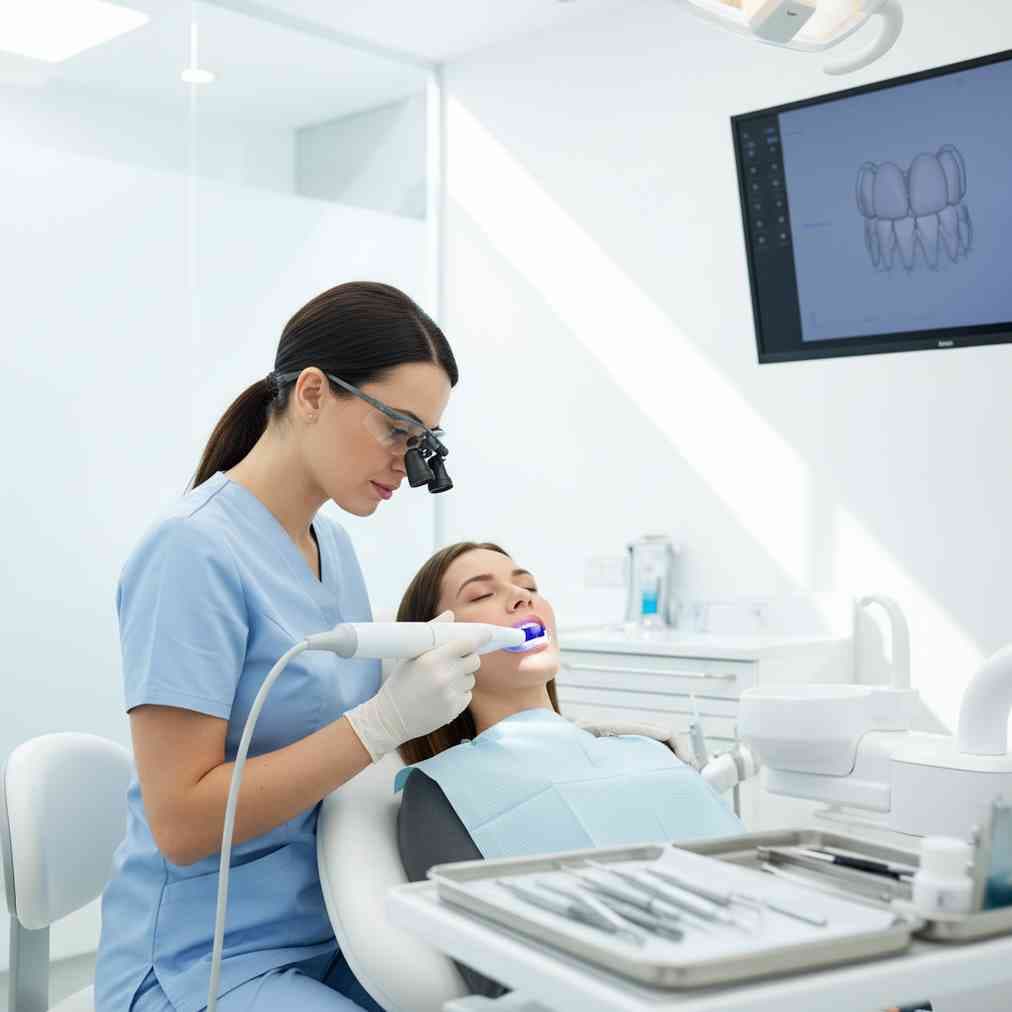
Insurance, payment options, and saving money on General Dentist services

Understanding General Dentist Services and Insurance Coverage
General dentistry refers to the broad care of your oral health, including preventive, diagnostic, and basic restorative treatments. General dentists provide essential services such as cleanings, exams, fillings, and simple tooth extractions, serving as the first step in maintaining or improving dental health. Insurance coverage, payment flexibility, and cost-saving strategies all play key roles in making general dental care affordable and accessible to patients.
Understanding how dental insurance works, what procedures are typically covered, and how to manage payments can help patients navigate expenses and maximize their benefits. This comprehensive guide outlines insurance options, common dental services, payment methods, and ways to save on dental care, including local resources and discounts.
Common General Dentist Procedures and Services
General dentists offer a wide range of services to maintain and restore your oral health. Understanding these services and their associated billing codes can help you better navigate your dental insurance benefits and treatment options.
Essential Dental Services
- Preventive care: Routine cleanings, exams, X-rays, and sealants to prevent tooth decay and gum disease
- Basic restorative: Treatments like fillings, simple crowns, and minor repairs for cavities and minor tooth damage
- Periodontal treatments: Care for gum diseases such as scaling and root planing
- Endodontics: Root canal therapies for infected tooth pulp
- Simple extractions: Removal of damaged or problematic teeth
Preventive services are nearly always covered at 100% by dental insurance plans, especially when performed by in-network providers, while restorative and other procedures often involve partial coverage depending on the plan type.
Common Dental Billing Codes (CDT Codes)
| Procedure Category | Common CDT Codes | Examples of Service |
|---|---|---|
| Diagnostic | D0120, D0150, D0210, D0274 | Periodic Oral Evaluation (D0120), Comprehensive Oral Evaluation (D0150), Complete Series of X-rays (D0210) |
| Preventive | D1110, D1206 | Prophylaxis – Adult Cleaning (D1110), Topical Fluoride Varnish (D1206) |
| Restorative | D2330–D2394 | Tooth-colored fillings (resins) |
| Periodontal | D4341, D4342, D4910 | Scaling and Root Planing (D4341/D4342), Periodontal Maintenance (D4910) |
Dental Insurance Coverage and Costs
Dental care costs vary widely by region and provider, making it essential to understand your insurance coverage and out-of-pocket expenses. Most dental insurance plans follow a structured coverage model that prioritizes prevention over treatment.
Typical Dental Procedure Costs
| Procedure | Approximate Cost Range (USD) |
|---|---|
| Routine cleaning | $75 - $200 |
| Tooth filling | $100 - $300 per tooth |
| Root canal | $700 - $1,500 |
| Tooth extraction | $150 - $300 |
| Crown | $800 - $1,500+ |
Understanding the 100-80-50 Coverage Model
Insurance plans often follow a coverage model commonly known as 100-80-50, meaning:
- 100% coverage for preventive care (cleanings, exams)
- 80% coverage for basic restorative procedures (fillings, root canals)
- 50% coverage for major procedures (crowns, bridges) after deductible
Types of Dental Insurance Plans
- Dental PPO (Preferred Provider Organization): Offers the largest choice of dentists with some coverage for out-of-network care but higher premiums and deductibles
- Dental HMO (Health Maintenance Organization): Lower premiums and copays but limited to a smaller network with no coverage for out-of-network dentists
- Public or state dental plans: Some state marketplaces, like Covered California, include dental coverage for children free with health plans and offer add-on family dental plans for adults
- Employer-based or group plans: Often partially subsidized by employers, with networks negotiated for lower costs
For state employees, specialized programs like CalHR State Employee Dental Benefits and University of California Dental Plans offer comprehensive coverage options.
Flexible Payment Options for Dental Care
If you are uninsured, underinsured, or facing a major procedure that exceeds your annual maximum, several payment solutions exist to make dental care more affordable.
In-House Payment Plans
Many local clinics offer personalized installment plans directly with the patient, often avoiding credit checks. These plans break down the total cost into manageable monthly payments, making expensive procedures more accessible.
Third-Party Financing Options
Specialized medical credit options like CareCredit or Sunbit are popular among dental patients. These financing solutions often allow patients to:
- Apply online with no hard credit check required to pre-qualify
- Access flexible terms, sometimes up to 72 months
- Take advantage of promotional periods with 0% interest
- Use the credit for multiple dental visits and procedures
Dental Savings and Discount Plans
Dental savings plans are not insurance but an alternative membership model. For an annual fee, members receive pre-negotiated discounts (average savings reported around 50%) from participating dentists on nearly all services, with no annual limits or waiting periods.
How to Choose the Right Dental Provider
Selecting the right general dentist can impact both your quality of care and your out-of-pocket costs. Consider these important factors when choosing a dental provider:
- Network participation: Prefer dentists participating in your insurance network to reduce costs
- Reputation and reviews: Use online tools and patient reviews to evaluate dentists for experience and bedside manner
- Location and convenience: Choose a dentist near your home or work to make visits easier and reduce indirect costs like travel
- Services offered: Confirm the dentist provides the services you need, such as preventive care, restorative procedures, or specialized treatments
- Payment options: Check if the dentist offers financing plans, accepts multiple insurance plans, or allows flexible payment methods
Many providers will assist you in understanding your insurance benefits and expected patient share before procedures, supporting financial planning and preventing surprises. Platforms like Delta Dental feature verified patient feedback to help in your decision-making process.
Latest Technology and Methods in General Dentistry
Modern general dentistry increasingly uses advanced technology to improve care quality, reduce treatment time, and enhance patient comfort. Understanding these innovations can help you make informed decisions about your dental care.
- Digital X-rays and 3D imaging: Provide faster, clearer diagnostics with less radiation exposure
- Laser dentistry: Minimizes discomfort and speeds healing during gum treatments or cavity removal
- CAD/CAM technology: Allows same-day crowns and restorations, reducing repeat visits
- Teledentistry: Emerging for consultations and follow-ups, lowering the need for in-person appointments
- Preventive technology: Including advanced sealants and fluoride treatments that reduce decay risk more effectively
These technologies often improve patient experience and long-term outcomes but may have variable insurance coverage. Learn more about the latest technology and methods in dental care to stay informed about your options.
Prevention and Aftercare: Your Best Investment
Preventing dental problems is the most cost-effective way to save on dental care. Comprehensive prevention involves both professional care and excellent home hygiene practices.
Essential Prevention Strategies
- Regular dental visits: Twice-yearly checkups and cleanings for timely detection and management of issues
- Daily oral hygiene: Brushing twice a day with fluoride toothpaste, flossing, and using mouthwash
- Proper nutrition: Limiting sugary and acidic foods and drinks to reduce tooth decay risk
- Avoiding tobacco: Tobacco use contributes to gum disease and oral cancers
- Following treatment plans: Completing prescribed treatments and following dentist aftercare instructions
Understanding the benefits of fluoride and the importance of flossing can significantly impact your long-term oral health outcomes.
The Connection Between Oral and Overall Health
Research shows a strong link between oral health and heart disease, making preventive dental care an investment in your overall well-being. Regular dental care can help detect early signs of systemic health issues.
Proven Strategies to Save Money on Dental Care
Implementing smart cost-saving strategies can significantly reduce your dental expenses while maintaining excellent oral health. Here are practical tips to make dental care more affordable:
Insurance and Benefits Optimization
- Maximize preventive benefits: Use insurance preventive benefits fully to avoid costly treatments later
- Time procedures strategically: Schedule cleanings and treatments early in the year to maximize your annual insurance benefits before renewal
- Use pre-tax accounts: Utilize Flexible Spending Accounts (FSAs) or Health Savings Accounts (HSAs) if offered by your employer
- Stay in-network: Choose in-network providers to minimize out-of-pocket costs
Payment and Financing Options
- Cash discounts: Ask if your dentist offers payment plans or discounts for paying upfront or for multiple treatments
- Compare providers: Request cost estimates in writing before treatment and compare different dental offices
- Consider dental savings plans: Explore discount plans as an alternative to traditional insurance
- Third-party financing: Use medical credit options like CareCredit for larger procedures
Community Resources and Alternative Options
- Community health centers: Look for local dental clinics that offer sliding scale fees or reduced-cost care based on income
- Dental schools: Consider dental schools where supervised students provide quality care at reduced costs
- State programs: Check for employer benefits or state-sponsored dental coverage programs, especially for children
- Local resources: Find trusted and affordable dental providers through verified directories
Prevention remains the best cost-saving strategy. Every dollar spent on preventive care can save multiple dollars in future treatment costs.
Beyond Basic Care: Exploring Advanced Dental Services
While general dentistry covers most of your oral health needs, understanding when you might need specialized care can help you plan and budget accordingly. Advanced services might include:
- Cosmetic dentistry: Smile transformation procedures like veneers, teeth whitening, and smile design
- Restorative treatments: Dental implants and advanced crown and bridge work
- Advanced technology: Digital smile design and 3D printing applications
Many of these advanced services may have limited insurance coverage, making payment planning and financing options even more important for comprehensive dental care.
Making Informed Decisions About Your Dental Care
Understanding dental insurance coverage, common dental services, and payment options empowers patients to make informed choices about their oral health. By leveraging insurance benefits fully, choosing in-network providers, exploring flexible payment methods, and considering local affordable care options, you can maintain your smile healthily and economically.
Remember that investing in preventive care today prevents more expensive treatments tomorrow. Regular checkups, good home care, and strategic use of your dental benefits create a foundation for lifelong oral health while keeping costs manageable.
For more information about maintaining optimal oral health, explore our comprehensive guides on general dentistry topics and stay informed about the latest developments in dental care.